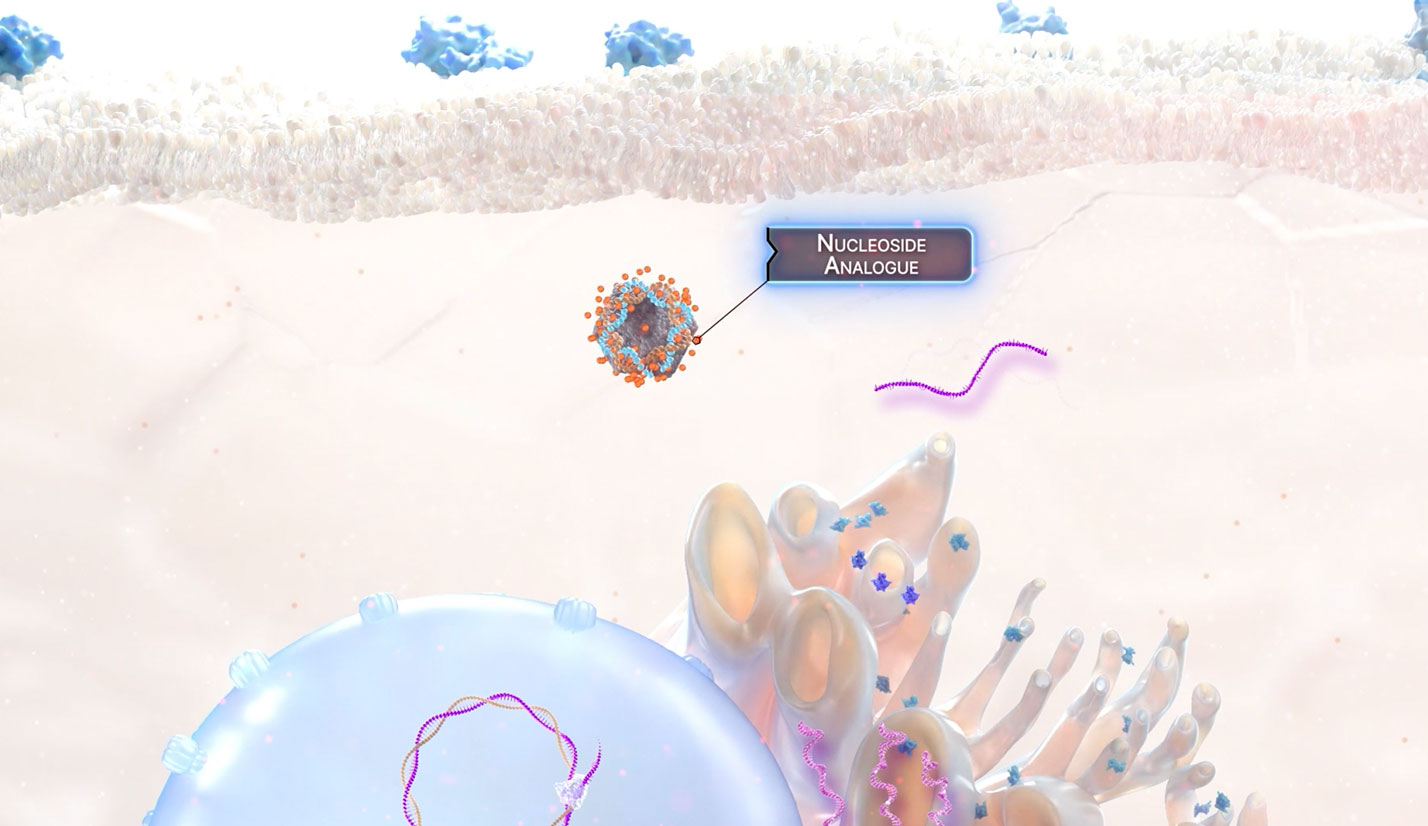

While the hepatitis B virus (HBV) has a history dating back to the age of civilization (Sun, et. al, Nature 2024), HBV drug development is a relatively new phenomenon. This global health problem is the most common chronic viral infection in the world and an area of substantial unmet medical need.
HBV affects over 240 million people globally according to the World Health Organization (WHO), with 1 million individuals becoming infected every year despite the availability of an efficacious prophylactic vaccine. Complications from chronic HBV infection include cirrhosis, end-stage liver disease, and hepatocellular carcinoma (HCC), which collectively resulted in approximately 1.1 million deaths according to the World Health Organization (WHO) in 2024 . Chronic HBV infection is the primary cause of liver cancer worldwide, and the mortality associated with HBV‑related liver cancer continues to increase. Liver cancer is the 6th most diagnosed form of cancer worldwide, but results in the 3rd most deaths of all cancers (Bray et. al. CA J Clin. 2024).
View the journey below of the race to understand and develop drugs to treat this ancient virus. Learn how Aligos is poised to help pave the path for the future of chronic HBV treatment.
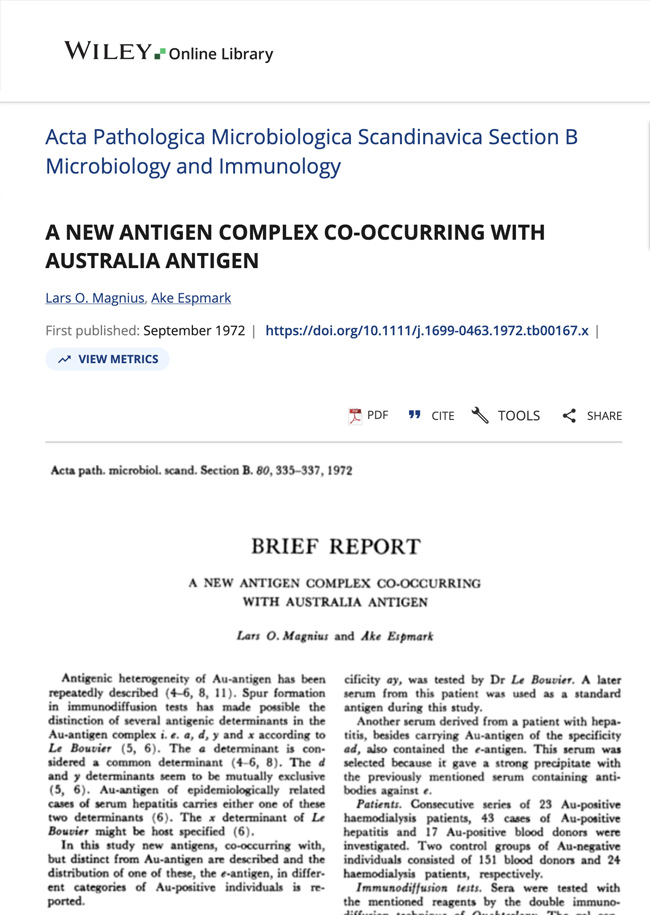
The discovery of the “Australian antigen or Aa” or later identified as the hepatitis B surface antigen (HBsAg), was originally discovered by geneticist Baruch S. Blumberg. It was identified in elevated serum levels of Australian aborigine and some American patients with leukemia. Dr. Blumberg won the Nobel Prize in Physiology or Medicine in 1976 for his discovery.
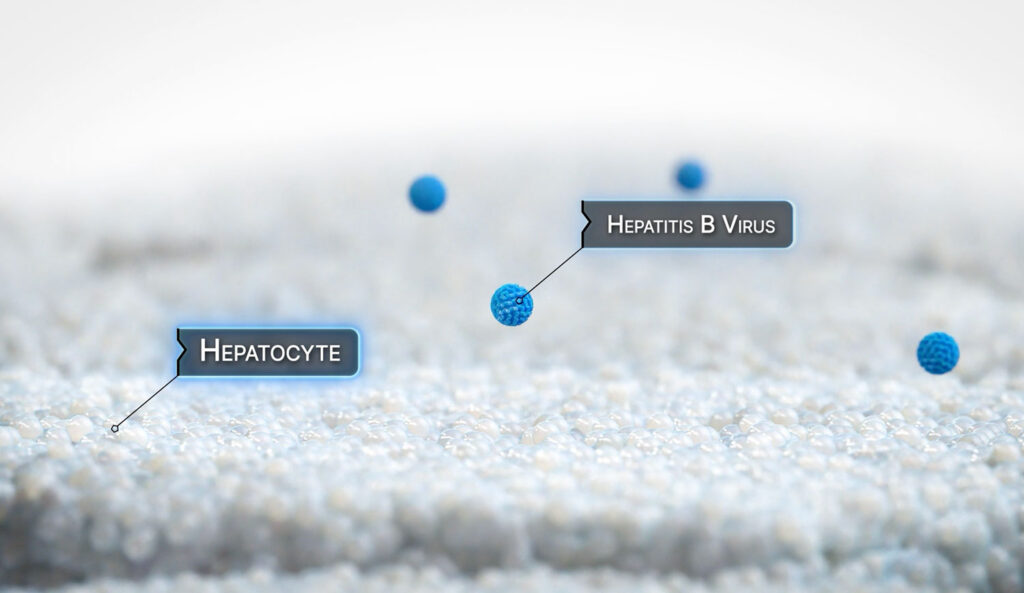
D.S. Dane discovers whole hepatitis B virus particles in blood samples.

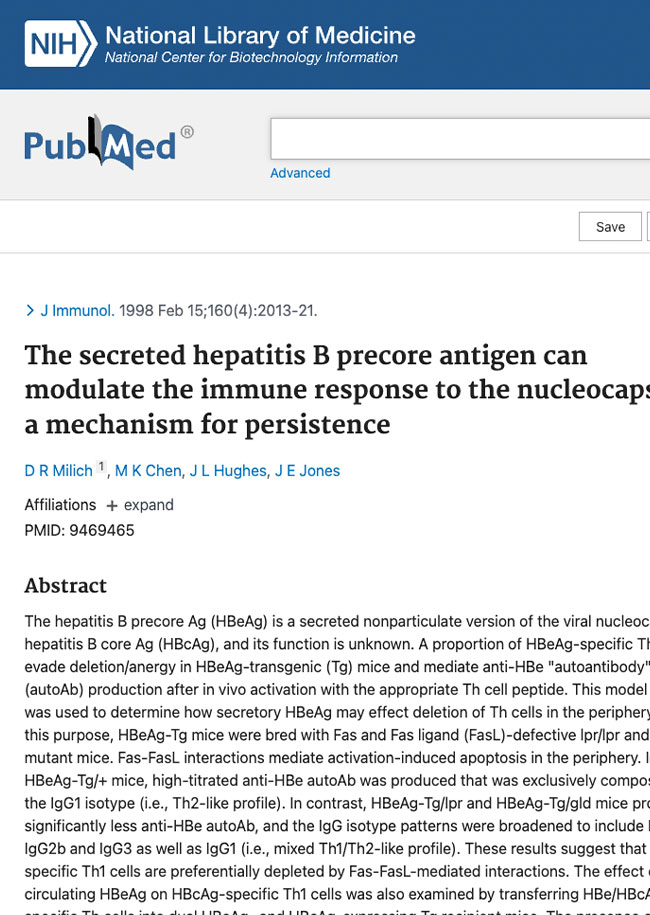
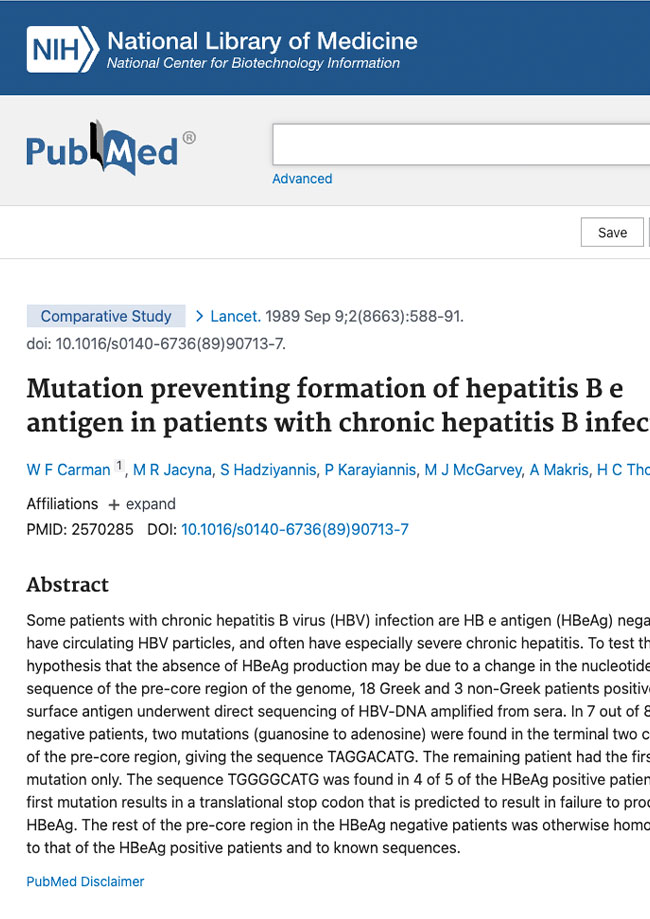
The discovery of HBeAg, which helped distinguish the more newly infected patients from those whose immune systems had begun controlling the virus. However, it wasn’t until 1989 when HBeAg- variants were discovered. It took another 10 years (1998) to learn about HBeAg and its role in modulating the immune system.
The first cloning and sequencing of the HBV genome. This cloned circular DNA was shown to encode HBsAg, HBcAg, HBx, and a DNA polymerase. These new understandings helped pave the way for diagnostic, vaccine, and therapeutic drug development.

The first hepatitis B vaccine was approved by the FDA. However, it wasn’t until 1986 that the recombinant version came to market to replace the original vaccines. A few years later in 1991, the US began to push widespread adoption of the HBV vaccines to reduce the associated morbidity and mortality.

The discovery that HBV replicated through an RNA intermediate using a reverse transcriptase, despite possessing a DNA genome was made. Additionally, around this time the characterization of HBV DNA integration into the host chromosome and cccDNA began to emerge.

The adoption of IFN-α as the first standard of care to treat chronic HBV infection. ~5-8% of patients respond to IFN-α treatment, which demonstrated the first possibility of treating chronic HBV infection.

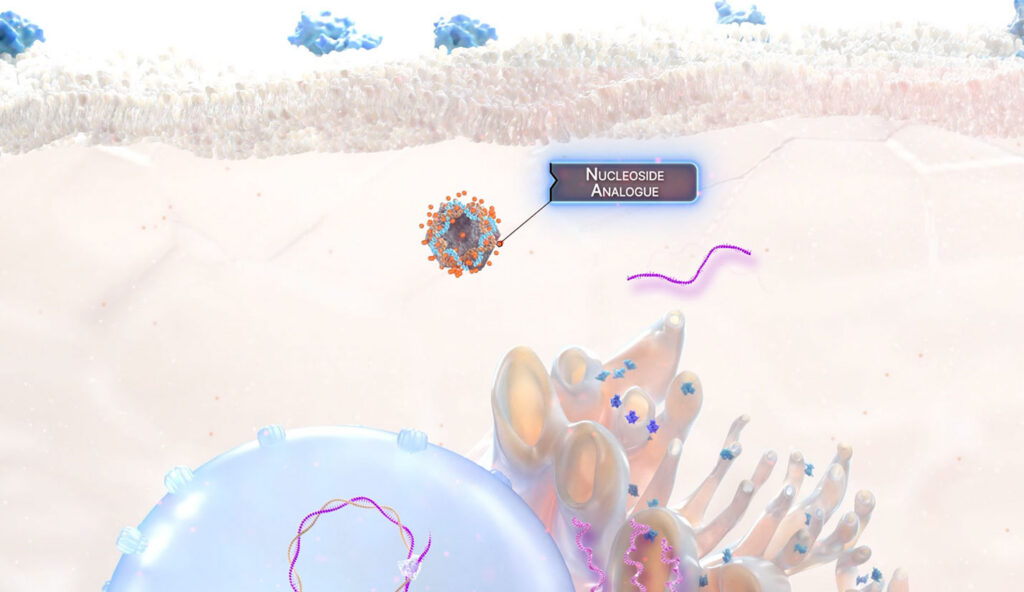
The first antiviral (lamivudine), a nucleoside analog (NA), was approved to treat chronic HBV infection. This first-generation antiviral exhibited drug resistance at ~6 months of treatment. Throughout the next ~20 years, various antivirals were approved that built on the initial success of lamivudine. However, it wasn’t until 2005 when entecavir was approved that NAs began to exhibit a high barrier of resistance.
Though Woodchuck hepatitis virus (WHBV), a related virus, was discovered in Woodchucks in 1978, it wasn’t until ~2000 that it began to be utilized in the development of antiviral therapies. This marked the beginning of the renaissance in HBV drug development. Before the availability of the Woodchuck model, it was not possible to show the effects of NAs in nonclinical models or validate in vitro HBV data.

Evidence is first reported that suggests HBV integration is associated with HCC risk. This new way of thinking about the HBV lifecycle paved the way for a new generation of therapeutic development.

While the future is still being written, at Aligos we believe we are at the forefront of the next-generation of HBV learnings. Our lead drug candidate, pevifoscorvir sodium, is a CAM-E (Capsid Assembly Modulator) that is purpose-built with the knowledge generated over the past 50+ years. Learn how pevifoscorvir sodium has the potential to block key aspects of the HBV replication cycle in the video below.